Not sure what a good hiking guide should cover? Start with the Ten Essentials, a plan someone else knows about, and Leave No Trace habits. This hiking guide shows you where to begin and where to go deeper.
| Item | Value |
|---|---|
| Ten Essentials | 10 systems (categories) |
| Extra food to carry | An extra day’s supply |
| Camping distance from lakes and streams | At least 200 feet |
| Cathole depth for solid human waste | 6 to 8 inches |
| Cathole distance from water, camp and trails | At least 200 feet |
| Leave No Trace framework | Seven principles |
These figures come from the U.S. National Park Service pages on the Ten Essentials (last updated May 28, 2026) and the Leave No Trace Seven Principles. Guidance can change, so check the sources before you rely on the figures.
Plan the hike before you leave
Most trail problems start long before the trailhead. The National Park Service advises you to visit the specific park’s website, learn about the area and make a plan for your activity before you head out.
The same page asks for one habit that costs nothing: tell someone where you’re going and when to expect you back. If you are new to the trail, start with hiking for beginners, then read hiking safety tips for the risks worth planning around.
The first Leave No Trace principle, Plan Ahead and Prepare, turns planning into a short checklist:
- Know the regulations and special concerns for the area you’ll visit.
- Prepare for extreme weather, hazards and emergencies.
- Schedule your trip to avoid times of high use.
- Visit in small groups when possible.
The Ten Essentials, system by system
The Ten Essentials are a collection of items that can help you or others in the event of minor injuries, sudden weather changes or unexpected emergencies. As of the National Park Service page last updated May 28, 2026, they are organized into ten categories, or systems. The system was developed by The Mountaineers.
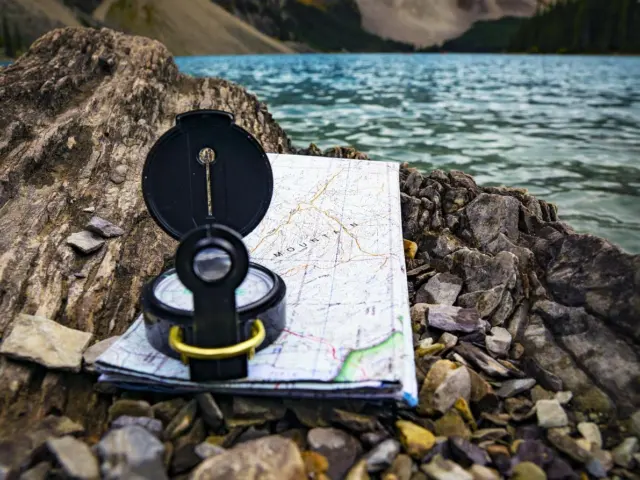
- Navigation: map, compass and GPS system. Bring a physical map as a back up, and pack an extra battery for your phone.
- Sun protection: sunglasses, sunscreen and a hat.
- Extra clothing: jacket, hat, gloves, rain shell and other layers.
- Illumination: a flashlight or headlamp, plus extra batteries.
- First-aid supplies: start with a pre-made kit and adjust it to your trip and medical needs.
- Fire: matches (preferably waterproof) or a lighter, and fire starters.
- Repair kit and tools: duct tape, a knife, a multi-tool and scissors.
- Nutrition: an extra day’s supply of food.
- Hydration: water and water treatment supplies.
- Emergency shelter: a tent, space blanket, tarp or bivy.
Navigation deserves extra attention, because the page says to know how to use a topographical map, compass or GPS unit before going out. Practise with how to read a topographic map before you rely on it.
Headlamps are the recommended light source because they are hands-free. The first-aid advice is also practical: check the expiration date on all items, replace them as needed, and include any personal medications you regularly take.
The list is a baseline, not a ceiling. The NPS notes that you may need additional items depending on your activity, such as a life jacket, bug spray or a satellite messaging device.
Clothing, footwear and pack choices
Weather can change quickly, so the NPS tells hikers to pack an extra layer that reflects the most extreme conditions you could encounter. That may mean a raincoat, jacket, hat or gloves. For a fuller breakdown, see what to wear hiking.
Bright clothing has a second job: it makes you easier to see if Search and Rescue needs to look for you. For the sun, sun-protection clothing such as pants and long sleeve shirts can help minimize your exposure, alongside sunglasses, sunscreen and a hat.
Footwear and pack are separate decisions, and each has its own trade-offs:
- Compare the two main options in hiking boots vs trail runners.
- Match your pack to the gear you need to carry, using how to choose a daypack.
- Reduce hot spots before they start with how to prevent blisters while hiking.
How much water and food should you carry?
The NPS calls staying hydrated “of utmost importance”. Physical activity increases your risk of dehydration, which it describes as a loss of water and salts from the body. If you’re active outdoors, especially in hot weather, drink water often and before you feel thirsty.
Before you leave, identify any bodies of water at your destination that you could collect from and treat with your water treatment supplies. Prepare your water before you need it.
For food, the NPS advice is to pack an extra day’s supply, preferably no-cook items with good nutritional value. Salty, easy-to-digest snacks work well:
- Trail mix
- Nuts
- Granola bars
Extra food can make a big difference for you or others if an unexpected situation occurs.
Leave No Trace habits for every hike
The Leave No Trace principles were established by the Leave No Trace Center for Outdoor Ethics. They built on work by the US Forest Service, National Park Service and Bureau of Land Management in the mid 1980s. Read the full set in leave no trace principles; the short version is below.
- Plan Ahead and Prepare: use a map and compass or GPS instead of marking paint, rock cairns or flagging.
- Travel and Camp on Durable Surfaces: walk single file in the middle of the trail, even when wet or muddy.
- Dispose of Waste Properly: pack out all trash, leftover food and litter.
- Leave What You Find: leave rocks, plants and other natural objects as you find them.
- Minimize Campfire Impacts: use a lightweight stove for cooking where you can.
- Respect Wildlife: observe from a distance and never feed animals.
- Be Considerate of Other Visitors: yield to other users on the trail.
Distances matter for waste. Where toilet facilities aren’t available, solid human waste goes in catholes dug 6 to 8 inches deep, at least 200 feet from water, camp and trails. To wash yourself or your dishes, carry water 200 feet away from streams or lakes.
Camping brings its own rules, including camping at least 200 feet from lakes and streams to protect riparian areas. Continue with the camping guide for overnight trips, or the national parks guide when your route crosses a protected area.
Frequently asked questions
Who created the Ten Essentials?
Show answer
The NPS page says the system was developed by The Mountaineers. It cites the book Mountaineering: The Freedom of the HiIls, 8th Edition, 2010, for additional details.
Is a phone enough for navigation?
Show answer
The NPS says to bring a physical map as a back up, even though you can download a map onto your phone or GPS. It also advises packing an extra battery for your phone.
How much extra food should you pack?
Show answer
The NPS recommends an extra day’s supply of food, preferably no-cook items. Salty and easy-to-digest snacks are its examples.
How far from water should a cathole be?
Show answer
According to the Leave No Trace principles on the NPS page, dig catholes 6 to 8 inches deep and at least 200 feet from water, camp and trails. Cover and disguise the cathole when you finish, and pack out toilet paper and hygiene products.
Can you light a fire on the trail?
Show answer
Rules vary, so familiarize yourself with the local fire use regulations before heading out, as the NPS advises. Where fires are permitted, Leave No Trace says to use established fire rings, fire pans or mound fires and keep fires small.