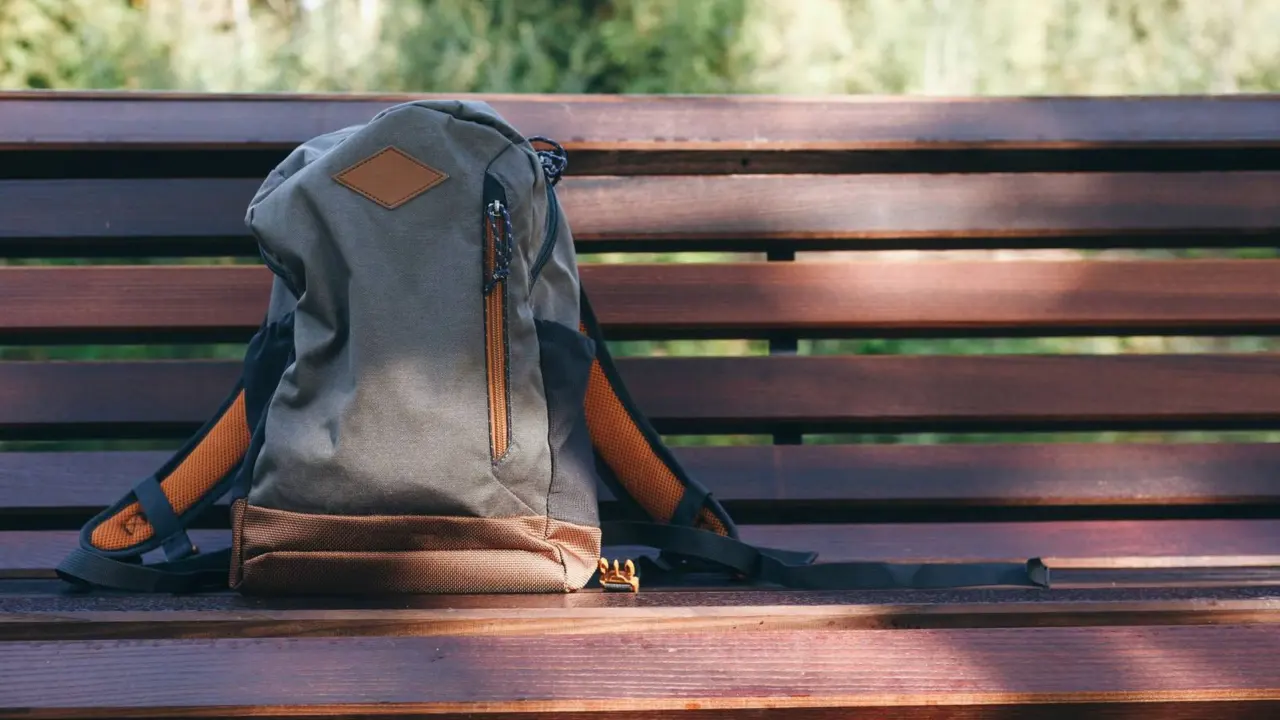
You’re standing in a shop wondering how to choose a daypack. Aim for about 20 to 30 litres for a full day hike, then let fit and carry features decide between your finalists.
For the bigger picture on planning trips and gear, read the hiking guide.
| Item | Value |
|---|---|
| Typical hiking pack capacity | 15 to 30 litres |
| Capacity for a full day hike kit | 20 to 30 litres |
| Packs built for very short hikes and trail running | Under 20 litres |
| Hydration sleeve size in compatible packs | 2 to 3 litres |
| Typical skiing pack capacity | 20 to 40 litres |
These figures come from OutdoorGearLab’s buying advice (November 2024) and Explore Magazine’s daypack guide (May 2022). Gear guidance changes, so check the source before you rely on the numbers.
Start with what you actually carry
Before you compare models, decide what goes in the bag. Contours, a UK walking-holiday company, suggests laying out everything you want with you on the trail to get a feel for your daily load.
OutdoorGearLab says a hiking pack has to carry everything for a day out. A typical list looks like this:
- Water, in bottles or a reservoir
- An extra layer of clothing
- Snacks or lunch
- A first aid kit
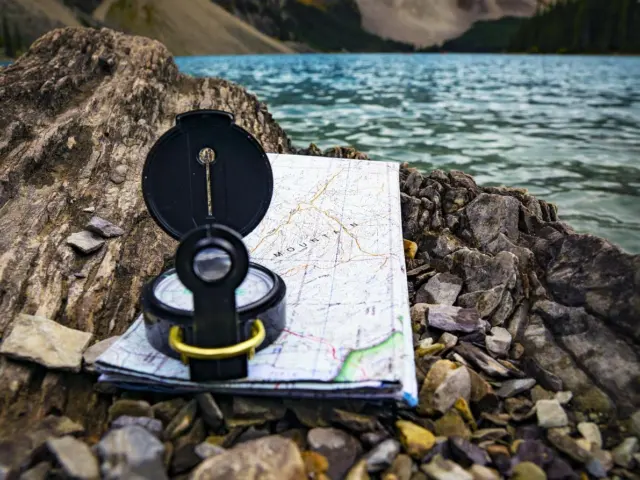
- Small items such as your phone, map and compass
- Sunscreen and a cap
Explore Magazine’s advice is to pick a pack small enough to hold your essentials comfortably, but not so large that it tempts you to carry more than you need. A right-sized pack keeps you honest about weight.
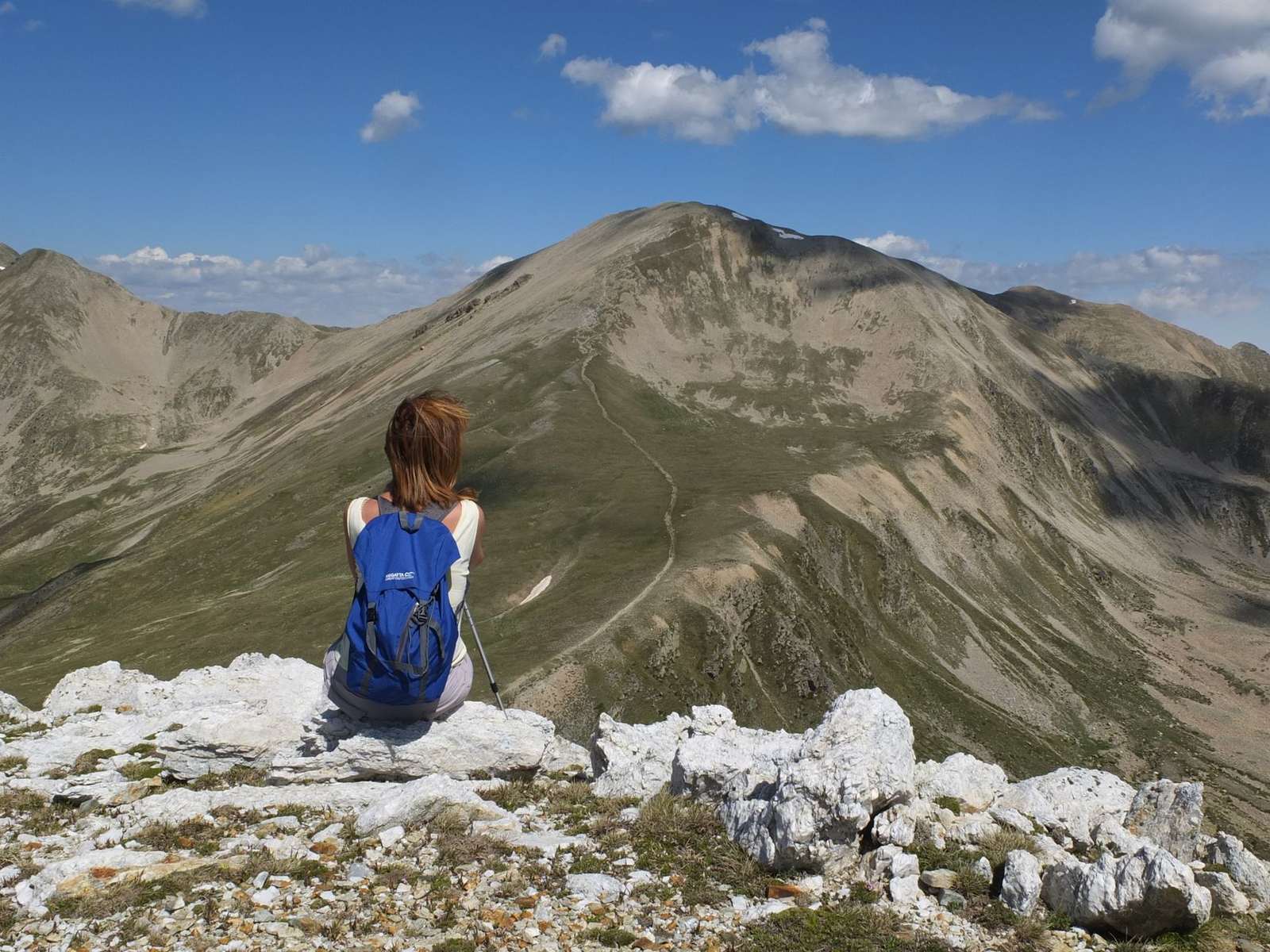
How to choose a daypack size in litres
OutdoorGearLab reports that hiking packs typically range from around 15 to 30 litres. Explore Magazine narrows that for day hikes: 20 to 30 litres holds an extra layer, snacks, a first aid kit and a water bottle, while packs under 20 litres suit very short hikes and trail running. 20 to 30 litres is the comfortable middle.
The walking company Contours shows what to expect from smaller bags: a 10-litre bag, a 14-litre bag and a bag of 20 litres or more.
- A 10-litre bag carries the bare essentials and can struggle with a full set of waterproofs, so it suits half-day outings.
- A 14-litre bag adds some space for lunch.
- At 20 litres and more there is room for a spare midlayer, with space left for extras.
According to Explore Magazine, two real-world examples show the range. Its 14-litre Deuter AC Lite SL held a lightweight shell, a 32-ounce insulated water bottle, a first aid kit, a cap, sunscreen and a handful of snacks. Its 25-litre Mountain Hardwear JTM held all of that plus a down jacket, so cold-weather layers are what push you toward the larger size.
At the other end, Explore Magazine says anything over 45 litres is for ultralight overnights or bulky items such as snowshoeing gear. OutdoorGearLab puts skiing packs at 20 to 40 litres. If you hike in winter, expect to size up.
Why fit matters more than features
Explore Magazine calls fit perhaps one of the most important aspects of choosing a daypack. The pack’s length should match your torso, with the hip belt snugly wrapped around the top of your hip bones. A well-fitted pack moves weight off your shoulders and onto your hips and lower body.
Contours explains how to measure for size, since small, medium and large bags are based on torso length. You’ll need a friend:
- Find your iliac crest, the top of your hip bone, roughly in line with your belly button.
- Have your friend measure from the tip of the iliac crest up to your C7 vertebra, the bone at the base of your neck that juts out most when you look down.
- Compare that number with the size ranges on the tags or the maker’s website.
Some daypacks have adjustable torso lengths, but Explore Magazine still advises trying one on in the shop, especially if you’re between sizes. Load it with the weight you’d really carry, because an empty pack tells you very little. A bouncing or slipping pack, Contours warns, will eventually cause back pain.
Comfort on the trail also depends on your feet, so it’s worth reading about hiking boots vs trail runners before you commit to a full kit.
Features that earn their place
Back panel, straps and hip belt
Wide padded shoulder straps spread the load more comfortably. A mesh ventilated back panel creates space between the pack and your back, which helps you stay less sweaty. On larger daypacks, look for a padded hip belt to stabilise the load.
Pockets and water access
Side pockets and hip belt pockets let you reach a phone, snack or water bottle without taking the pack off. According to Explore Magazine, most hydration-compatible packs have an internal sleeve for a two or three-litre reservoir, but the reservoir is often sold separately. If you’d rather skip a reservoir, choose a pack with side pockets big enough for a bottle.
Top-loading or panel-loading
Explore Magazine notes that day packs generally have two closure styles. Top-loading packs can take a larger load, while panel-loading packs open through a large U-shaped zip so you can reach items without digging. If you stop often to rummage for things, a panel loader is likely to suit you better.
Weather, safety and multi-use extras
Rain protection matters in wet regions. Explore Magazine suggests a built-in rain cover for trails and town, and Contours likes covers that come with their own stow pouch, so a soggy cover isn’t left loose in the main compartment. Trekking poles are another extra: look for dedicated pole-carrying straps or loops.
Contours also singles out a whistle as the most important emergency feature. Check for one built into the sternum strap buckle, or a place to mount your own. A whistle is only one piece of a wider kit, so read these hiking safety tips as well.
If the pack will double as a commuter bag, OutdoorGearLab recommends a laptop compartment and a padded back panel. Keep in mind that minimalist running packs under 20 litres are for essentials only, and a running hydration vest may suit fast and light outings better than a conventional daypack.
Frequently asked questions
What size daypack do I need for a day hike?
Show answer
Explore Magazine says a pack between 20 and 30 litres will carry an extra layer, snacks, a first aid kit and a water bottle. OutdoorGearLab gives a wider range of around 15 to 30 litres for hiking packs. Lay out your usual kit first, then choose the smallest pack that holds it.
Is a 10-litre pack enough for hiking?
Show answer
Contours says a 10-litre bag carries the bare essentials and sometimes struggles even with those, especially with a full set of waterproofs. It suits half-day outings but falls short on longer adventures.
Do I need a hydration reservoir?
Show answer
No. Explore Magazine points out that packs with side pockets big enough for a water bottle also let you sip without removing the pack. A reservoir lets you drink on the move, but it is often a separate purchase.
How do I know whether a daypack fits?
Show answer
The hip belt should sit snugly around the top of your hip bones, and the pack length should match your torso. Try it on with a realistic load, especially if you’re between sizes, because adjustable torso lengths don’t replace a shop fitting.