Planning a park trip and unsure how close is too close? National park wildlife safety comes down to distance, locked-up food and bear spray: keep 25 yards from most animals, 100 from bears and wolves.
For trip planning beyond the animals, the national parks guide covers the rest of the park visit.
| Item | Value |
|---|---|
| Yellowstone: distance from bears, wolves and cougars | At least 100 yards (91 m) |
| Yellowstone: distance from all other animals, including bison and elk | At least 25 yards (23 m) |
| Rocky Mountain: distance from all wildlife | At least 75 feet (23 m) |
| Rocky Mountain: distance from black bears, moose and mountain lions | At least 120 feet (36 m) |
| Yellowstone: distance at which to spray a charging bear | 30-60 feet (9-18 m) |
| Yellowstone: temperature at which bear spray can explode | 120 degrees Fahrenheit (49 degrees Celsius) |
These figures come from the Yellowstone safety page and the Rocky Mountain wildlife safety page. Park rules and figures can change, so check the source before you rely on them.
How far should you stay from wildlife?
The rule that matters most is distance, and it differs from park to park. Each park sets its own minimum, so the number on the park’s own page beats any general rule of thumb.
- Yellowstone says to stay at least 100 yards (91 m) from bears, wolves and cougars, and at least 25 yards (23 m) from all other animals, including bison and elk, according to its safety page.
- Olympic requires at least 50 yards between you and any park wildlife, as of the page’s May 15, 2026 update.
- Rocky Mountain asks for at least 75 feet (23 m) from all wildlife and at least 120 feet (36 m) from black bears, moose and mountain lions, on its wildlife safety page.
The National Park Service’s guide to watching wildlife, last updated September 9, 2024, says many parks require 25 yards from most wildlife and 100 yards from predators like bears and wolves. It also gives a simple test: if animals react to your presence, you are too close, and if you are close enough for a selfie, you definitely are.
Use binoculars or a zoom lens instead of walking closer. Yellowstone recommends telephoto lenses with focal lengths of 300mm or greater for adequate reach.
A bigger group does not make closer safer. Rocky Mountain’s page warns that travelling in groups can help keep you safe, but that does not mean you are safer getting closer to animals. If an animal walks toward you, back away and restore the gap.
Store food and trash so animals do not learn to beg
The first rule is to never feed wildlife, even birds and squirrels. Yellowstone explains that animals that become dependent on human food may become aggressive toward people and have to be killed, per its safety page.
Stay with your stuff, too. Packs, bags and coolers with food should not be left unattended even for a few minutes, because animals learn new food sources quickly, and ravens have learned to unzip many kinds of zippers and buckles. Store food in a vehicle or a bear-proof locker where one is provided.
Storage details vary by park, so check these before you pack:
- Olympic: in wilderness areas, all food, garbage and scented items such as toothpaste, deodorant, sunscreen, hand sanitizer and chapstick must go in park approved Animal Resistant Food Canisters, as of the page’s May 15, 2026 update.
- Rocky Mountain: store food in your vehicle’s trunk, out of sight, with the windows completely closed, or in site-provided storage lockers, its page says.
- Food, coolers and dirty cookware left unattended, even briefly, can be confiscated and result in citations at Rocky Mountain.
Hiking in bear country
Group size is one of the clearest protections you can choose. Yellowstone’s safety press kit reports that since 1970, 91% of the people injured by bears in the park were hiking alone or with only one partner, while only 9% were in groups of three or more.
The same page lists habits that cut the odds of a surprise encounter:
- Make noise. Periodically yell “Hey bear!” so bears know you are there.
- Stay alert. Scan your surroundings to spot bears from a distance.
- Hike in daylight. Dawn, dusk and night are when grizzly bears are most active.
- Stay on maintained trails. Research in Yellowstone has shown people are more likely to be attacked by a bear when hiking off-trail.
- Avoid carcasses. If you find a fresh one, leave immediately by the same route you approached and report it to a ranger station or visitor center.
When you camp, Olympic’s page adds that you should avoid setting up on or near game trails, and hike and camp away from obvious animal paths and water sources.
Bear spray and close encounters
Yellowstone calls bear spray a non-lethal tool designed to deter bears as a last line of defense. Each person in your group should carry one can where it can be reached quickly, such as in a waist or chest holster, and not inside a pack, the park says. In thick vegetation or poor visibility, hold it in your hand.
If a bear charges, the park describes these steps:
- Remove the safety clip.
- Point the nozzle slightly down and adjust for crosswind.
- Spray when the bear is 30-60 feet (9-18 m) away to create a wall between you and the bear.
- Keep spraying until the bear changes direction.
- Leave the area quickly, but do not run.
Distance matters because bears can run up to 40 feet (12 m) per second, so the cloud needs time to work before the bear reaches you, Yellowstone explains. The same page says bear spray can explode if it reaches 120 degrees Fahrenheit (49 degrees Celsius), so keep it out of the passenger compartment. It also cannot be taken on airplanes.
For a surprise encounter, Yellowstone’s press kit says to keep your group together and slowly back away, without running or sudden movements. If a bear makes contact, it advises dropping to your stomach and playing dead, keeping your pack on and your hands clasped over your neck.
Advice differs by species and park. Rocky Mountain’s page tells you to stand tall and make loud noises if a black bear approaches, and to fight back if attacked. Read the guidance for the park you visit before you go.
National park wildlife safety around photos, roads and other animals
Cameras cause real problems. Rocky Mountain says the popularity of selfies is posing a new threat to wildlife and humans, and that calling, clicking or whistling to attract wildlife is illegal.
Roads are dangerous for animals as well. The National Park Service says vehicle strikes are one of the most deadly types of encounters for wildlife in parks, so follow speed limits and pull completely off the road into a designated pull-out when you stop.
Pull-outs fill up fast, and a crowd makes distance harder to keep. A plan for how to avoid crowds in national parks helps you find quieter viewing times.
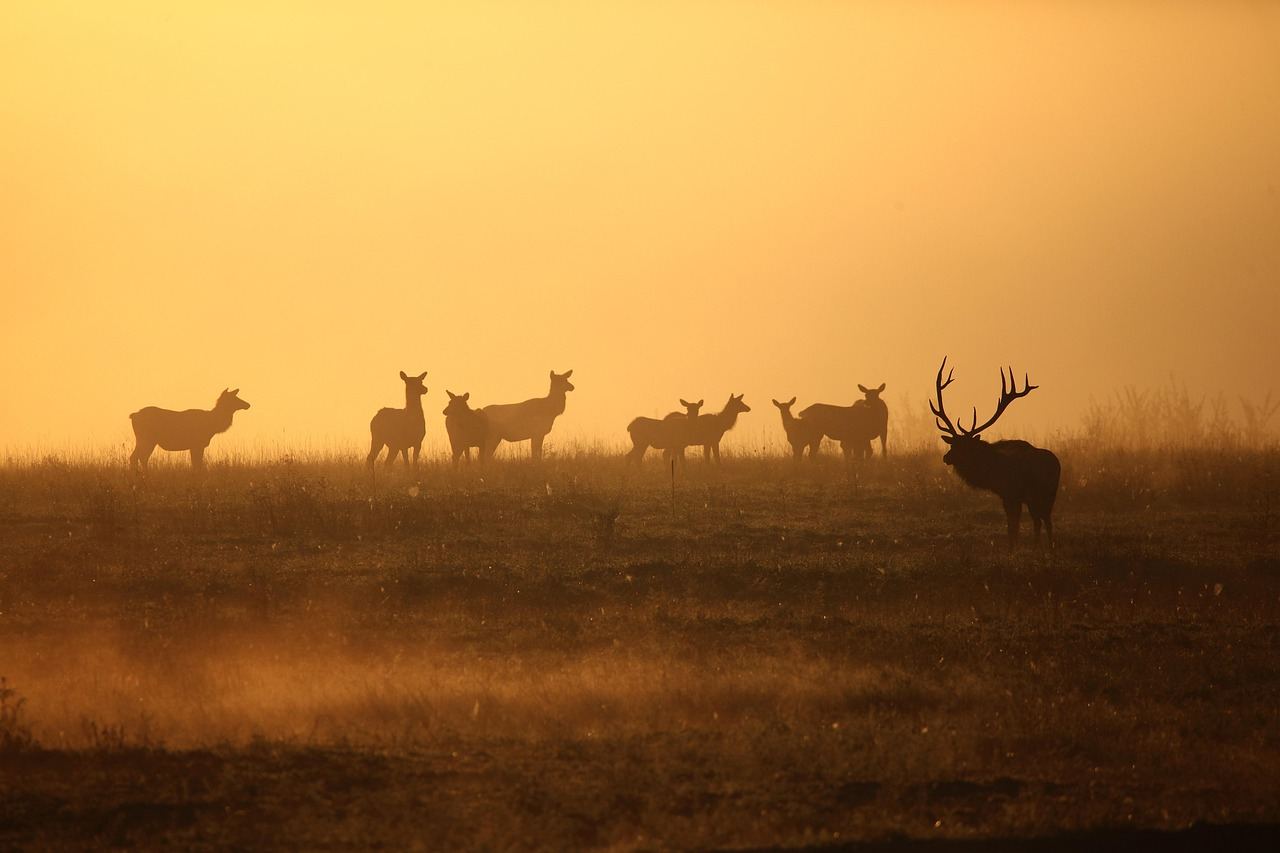
Bears are not the only animals to respect. Olympic’s page lists elk as one of the most dangerous animals in the park, as of its May 15, 2026 update.
For a mountain lion, Rocky Mountain advises you not to run: stay calm, hold your ground or back away slowly, face the lion, stand upright and try to look larger. Always report incidents to a ranger.
Tell a ranger if you touch an animal or see one that looks sick or acts strangely, as the NPS guide advises. Yellowstone also asks you to report any conflict, however minor.
For an attack or near-attack, Olympic’s page says to call 911, as of its May 15, 2026 update.
If you travel with children, the junior ranger program is a good way to start the conversation about respecting animals.
Frequently asked questions
Can I feed squirrels or birds in a national park?
Show answer
No. Yellowstone says never to feed wildlife, even birds and squirrels. Rocky Mountain’s page says approaching, harassing or feeding any kind of wildlife, however small or familiar, is illegal in all national parks.
What should I do if an animal walks toward me?
Show answer
Back away and keep the safe distance. Rocky Mountain’s page says wildlife may not know better, but you do, and that it is your responsibility to maintain the gap.
Can I fly with bear spray?
Show answer
No. Yellowstone’s safety page says bear spray cannot be taken on airplanes and may cause injury if thrown away in the trash. It also points to recycling drop-off locations in the greater Yellowstone area.
Do pets change the rules?
Show answer
Yes. The NPS wildlife-watching guide says most parks have a 6-foot leash policy where dogs are allowed. Olympic’s page says pets are allowed only in specific areas of the park.