Worried about leaving a mark on the trail? The leave no trace principles are seven habits: plan ahead, use durable surfaces, dispose of waste, leave what you find, limit fires, respect wildlife, and be considerate.
For the wider picture of trail skills, see the hiking guide.
| Item | Value |
|---|---|
| Number of principles | 7 |
| Minimum camping distance from lakes and streams | 200 feet |
| Cathole depth for solid human waste | 6 to 8 inches |
| Rule-of-thumb group size for hiking and backpacking | 2 to 6 people |
| Year the independent Leave No Trace nonprofit formed | 1994 |
These figures come from the U.S. National Park Service Leave No Trace page (last updated June 16, 2022) and a guide by More Than Just Parks. Figures can change, so check the source before you rely on them.
Where the seven principles come from
The principles were established by the Leave No Trace Center for Outdoor Ethics. They built on work by the US Forest Service, the National Park Service and the Bureau of Land Management in the mid 1980s, according to the National Park Service.
The same page says the principles are informed by scientific research in recreation ecology and the human dimensions of natural resources. They are meant to apply anywhere, at any time, during recreational activities.
One caveat: the principles are a framework, not a fixed rulebook. A guide from More Than Just Parks notes that Leave No Trace generally discourages building rock cairns, yet some parks rely on them to mark trails over bare rock. Local rules always win.
Plan ahead and travel on durable surfaces
The first principle, plan ahead and prepare, is about being ready before you reach the trailhead. The National Park Service summary lists these habits:
- Know the regulations and special concerns for the area you’ll visit.
- Prepare for extreme weather, hazards and emergencies.
- Schedule your trip to avoid times of high use.
- Visit in small groups when possible, or split a larger group into smaller ones.
- Repackage food to minimize waste.
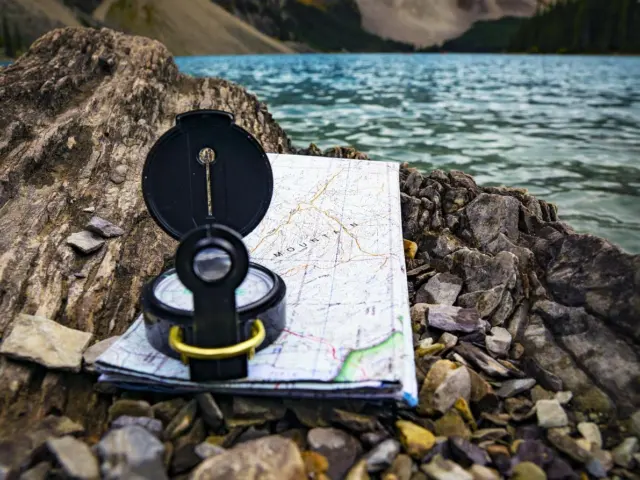
- Use a map and compass or GPS instead of marking paint, rock cairns or flagging.
What counts as a small group depends on the place. More Than Just Parks offers a rule of thumb of two to six people for hiking and backpacking, and four or fewer in sensitive or heavily used areas.
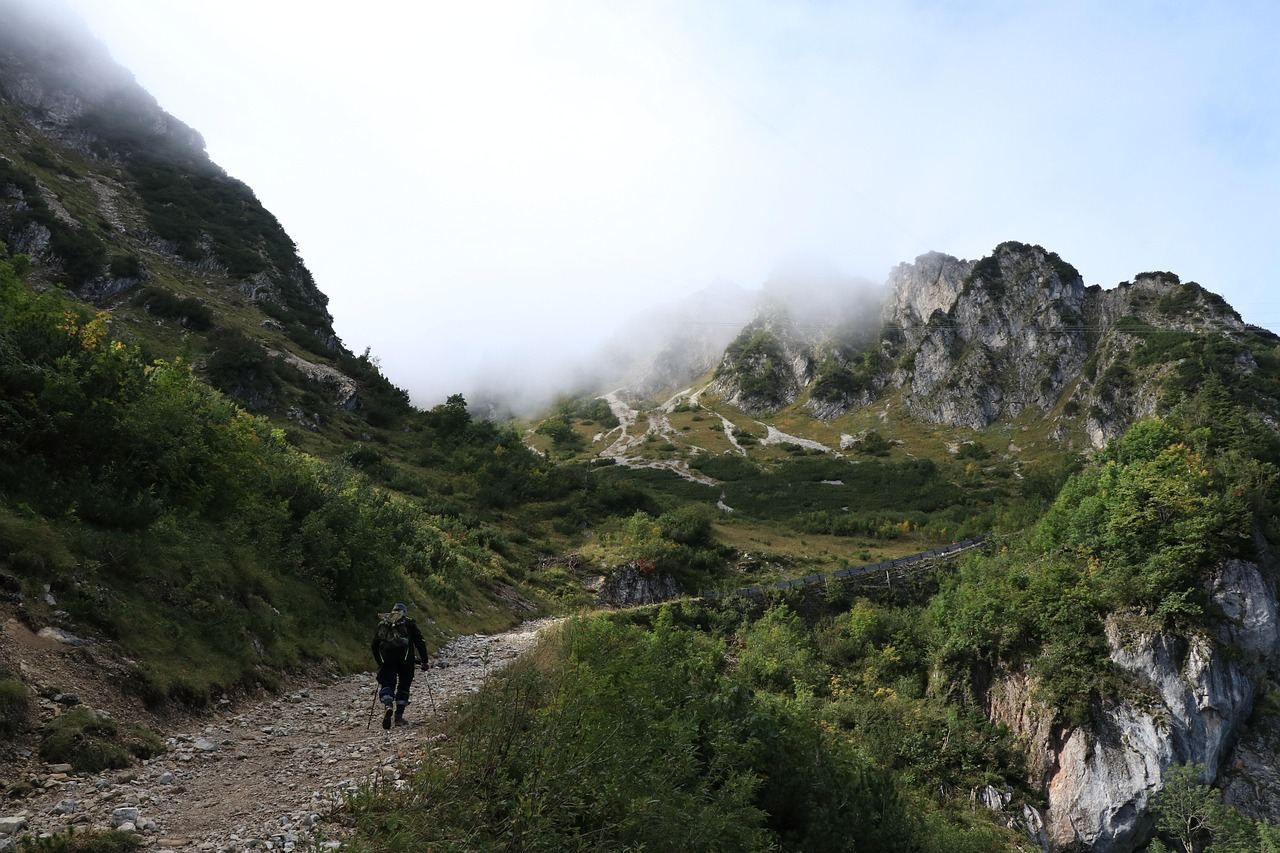
The second principle is to travel and camp on durable surfaces. Durable surfaces include maintained trails and designated campsites, rock, gravel, sand, dry grasses or snow. Protect riparian areas by camping at least 200 feet from lakes and streams.
The advice differs by how busy a place is:
- Popular areas: concentrate use on existing trails and campsites, walk single file in the middle of the trail even when it is wet or muddy, and keep campsites small.
- Pristine areas: disperse use so that new campsites and trails don’t form, and avoid places where impacts are just beginning.
The summary puts it neatly: good campsites are found, not made.
Dispose of waste and leave what you find
The third principle, dispose of waste properly, comes down to “pack it in, pack it out.” Inspect your campsite, food preparation areas and rest areas for trash or spilled food. Pack out all trash, leftover food and litter.
For human waste, use toilet facilities whenever possible. If there are none, follow these steps:
- Dig a cathole 6 to 8 inches deep, at least 200 feet from water, camp and trails.
- Deposit solid human waste in it.
- Cover and disguise the cathole when you finish.
- Pack out toilet paper and hygiene products.
To wash yourself or your dishes, carry water 200 feet away from streams or lakes. Use small amounts of biodegradable soap and scatter strained dishwater.
The fourth principle is to leave what you find. In practice that means:
- Examine and photograph cultural or historic structures and artifacts, but do not touch them.
- Leave rocks, plants and other natural objects as you find them.
- Avoid introducing or transporting non-native species.
- Do not build structures or furniture, and do not dig trenches.
Minimize campfire impacts and respect wildlife
The fifth principle starts from a plain statement: campfires can cause lasting impacts to the environment. The National Park Service suggests a lightweight stove for cooking and a candle lantern for light.
Where fires are permitted, use established fire rings, fire pans or mound fires, and keep them small. Use only down and dead wood from the ground that can be broken by hand. Burn all wood and coals to ash, put the fire out completely, then scatter cool ashes. A fire guideline means nothing during a burn ban, so check local restrictions first.
The sixth principle, respect wildlife, begins with distance. Observe animals from afar and do not follow or approach them. Never feed them: according to the park service, feeding damages their health, alters natural behaviors, habituates them to humans and exposes them to predators and other dangers.
- Store food and trash securely to protect wildlife and your supplies.
- Control pets at all times, or leave them at home.
- Avoid wildlife during sensitive times: mating, nesting, raising young or winter.
Be considerate of other visitors
The seventh principle is about other people. Respect other visitors and protect the quality of their experience. Be courteous, and yield to other users on the trail.
- Step to the downhill side of the trail when you meet pack stock.
- Take breaks and camp away from trails and other visitors.
- Let nature’s sounds prevail by avoiding loud voices and noises.
If you are new to the trail, the basics in hiking for beginners are a good place to build these habits.
How do you use the principles on a real hike?
You don’t need to memorize the list. Walk through it in the order you’ll meet each situation:
- Before you leave, check the rules and weather for the area, pick a quieter day if you can, and repackage food to cut waste.
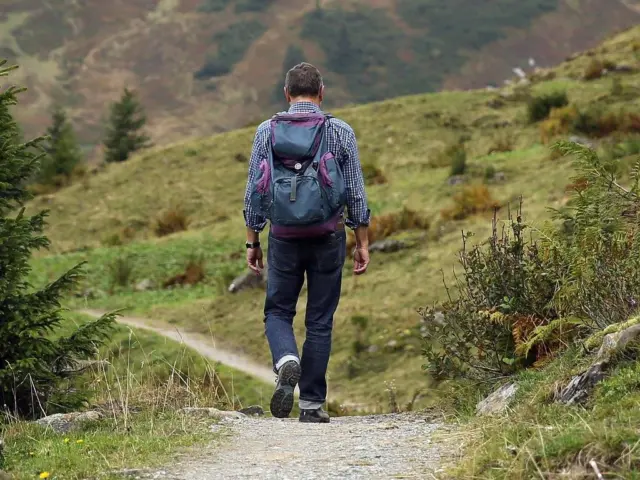
- On the trail, stay on the maintained path, walk single file in the middle even when it is muddy, and yield to others.
- At rest stops, keep your distance from animals, store food securely and look over the spot for trash.
- Before you head home, pack out everything, including toilet paper and hygiene products, and leave rocks and plants where they were.
Comfortable feet make it easier to stay patient and keep to the path, so it also helps to know how to prevent blisters while hiking.
Frequently asked questions
Who created the Leave No Trace principles?
Show answer
The Leave No Trace Center for Outdoor Ethics established them, building on mid 1980s work by the US Forest Service, National Park Service and Bureau of Land Management, according to the National Park Service page last updated June 16, 2022.
Do the principles apply to a short day hike?
Show answer
Yes. The National Park Service says they can be applied anywhere, at any time, while taking part in recreational activities. A short walk still involves trash, wildlife, other visitors and choices about where you step.
How far from water should I camp or dig a cathole?
Show answer
The National Park Service gives 200 feet for both: camp at least 200 feet from lakes and streams, and dig catholes at least 200 feet from water, camp and trails. Dig them 6 to 8 inches deep.
Is it okay to build or add to a rock cairn?
Show answer
Usually not. The National Park Service advises using a map and compass or GPS instead of cairns, though More Than Just Parks notes that some parks rely on cairns over bare rock. Ask local managers before you build or remove one.
Can I feed wildlife if the animal seems friendly?
Show answer
No. The park service says to never feed animals, because it harms their health, changes natural behavior and habituates them to humans.