Standing in a shop, unsure which tent won’t let you down? Here’s how to choose a tent: pick the size for your people plus gear, match the season rating to your weather, then check the waterproofing and features.
For the bigger picture of planning a trip, see the camping guide.
| Item | Value |
|---|---|
| Fabric counted as “waterproof” (hydrostatic head) | Above 1,000 mm |
| Lightest one-person tents | As low as 1 to 2 pounds |
| Ultralight two-person tent | As little as 3 pounds |
| Season range of a three-season tent | Spring through fall |
| Extra space your gear can take up | The equivalent of another person’s worth |
These figures come from Salewa’s backpacking tent guide and Public Lands’ backpacking tent guide. Ratings and weights vary by model and can change, so check the source and the maker’s specifications before you rely on them.
How much space do you need?
Start with space, because few things are worse than squeezing into a tent that is too small. Public Lands suggests crawling inside in the shop and asking whether you can place your sleeping pads inside without overlap, and whether there is enough headroom.
Tent sizes break down roughly like this:
- One-person: the lightest models, simply because they are the smallest. Worth it if you often go alone.
- Two-person: the widest choice of weights, protection, space and prices, since most people want this size.
- Three-person: suits trios, parents with young children, or a pair with a dog. With three people the door design is critical, so nobody crawls over anyone else.
- Four-person: a fit for families, but your group might carry less overall weight with a pair of two-person tents than with one big one.
A one-person tent can weigh as little as 1 to 2 pounds, according to Public Lands. An ultralight two-person tent could weigh as little as 3 pounds, which is light enough for solo trips, so it works like two tents in one if you only go alone now and then.
Count your gear as well. Salewa says gear can easily add up to the equivalent of another person’s worth of space, so a 4-person tent might suit two people and two large backpacks. If you are taller than average, compare the exact tent dimensions rather than the person rating.
Matching the tent to the season
Buy for the conditions you will meet most often. If you camp mainly in summer and fall with occasional rain and moderate temperatures, you do not need a heavy mountaineering tent.
A three-season tent works well for the majority of backpackers. Public Lands describes them as made for spring-through-fall conditions, with enough protection for pretty serious rain and wind. Stability and weatherproofing still vary a lot between models.
A winter tent is for high-altitude terrain or snow camping. It has less mesh and thicker fabrics, which boost insulation, but it is heavier and more expensive than a three-season model. The same guide adds that you can always rent a tent for special occasions, so you need not buy expedition gear for a trip you might take someday.
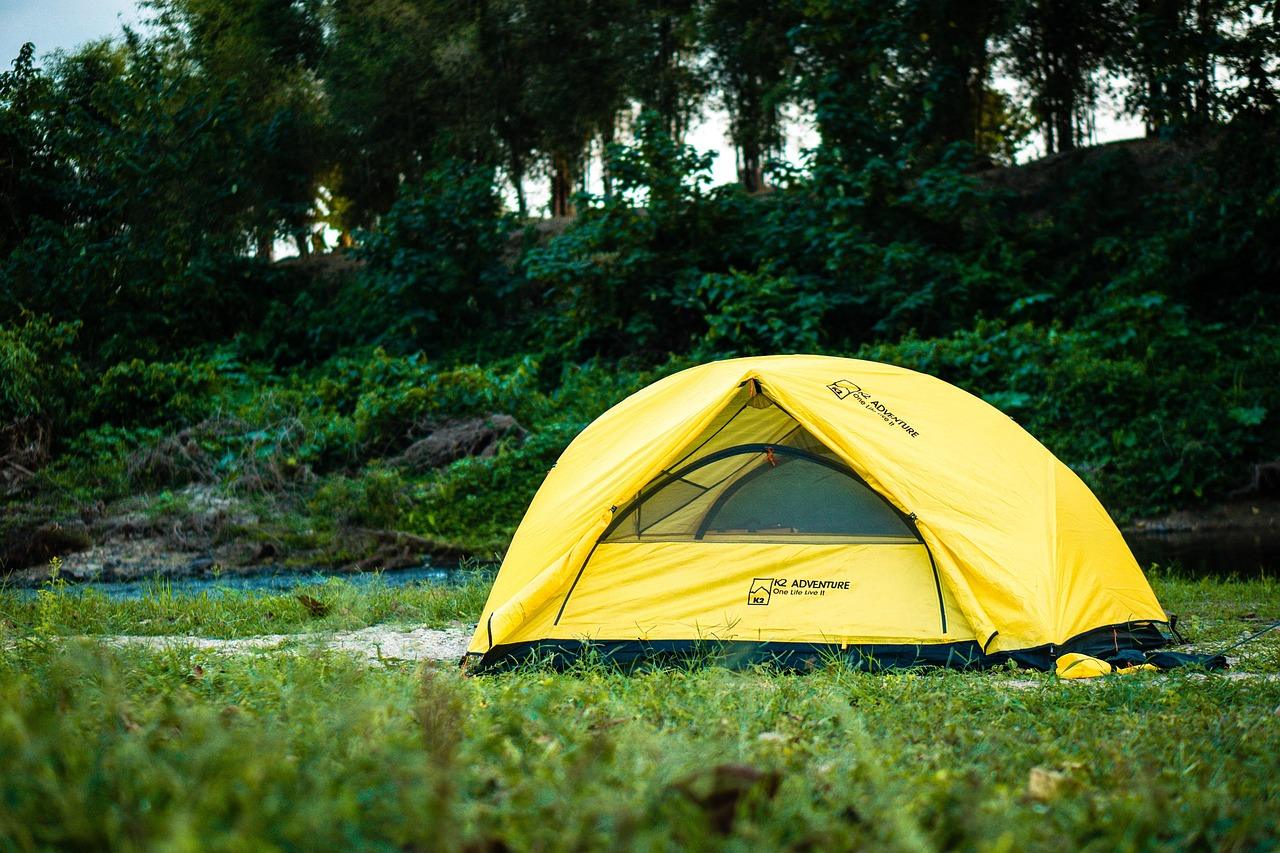
Be wary of tents marketed purely as summer models. Public Lands says these generally lack the weatherproofing you want in the backcountry.
Waterproof ratings and wind protection
The hydrostatic head rating shows how waterproof a tent fabric is: the higher the figure, the more waterproof it is. Salewa notes that the industry standard for calling a fabric waterproof is anything above 1,000 mm.
That is enough for most moderate conditions and typical for three-season tents. It probably will not cope with heavy wind-driven rain, so aim higher if you can.
Rain protection is also about design, not only numbers. Public Lands suggests testing a tent on the shop floor:
- Lean on it to check wind protection. Does it bend easily, or can you feel a stable pole structure?
- Look at the fly. Does it cover the tent completely, or are there gaps where wind-driven rain can get in?
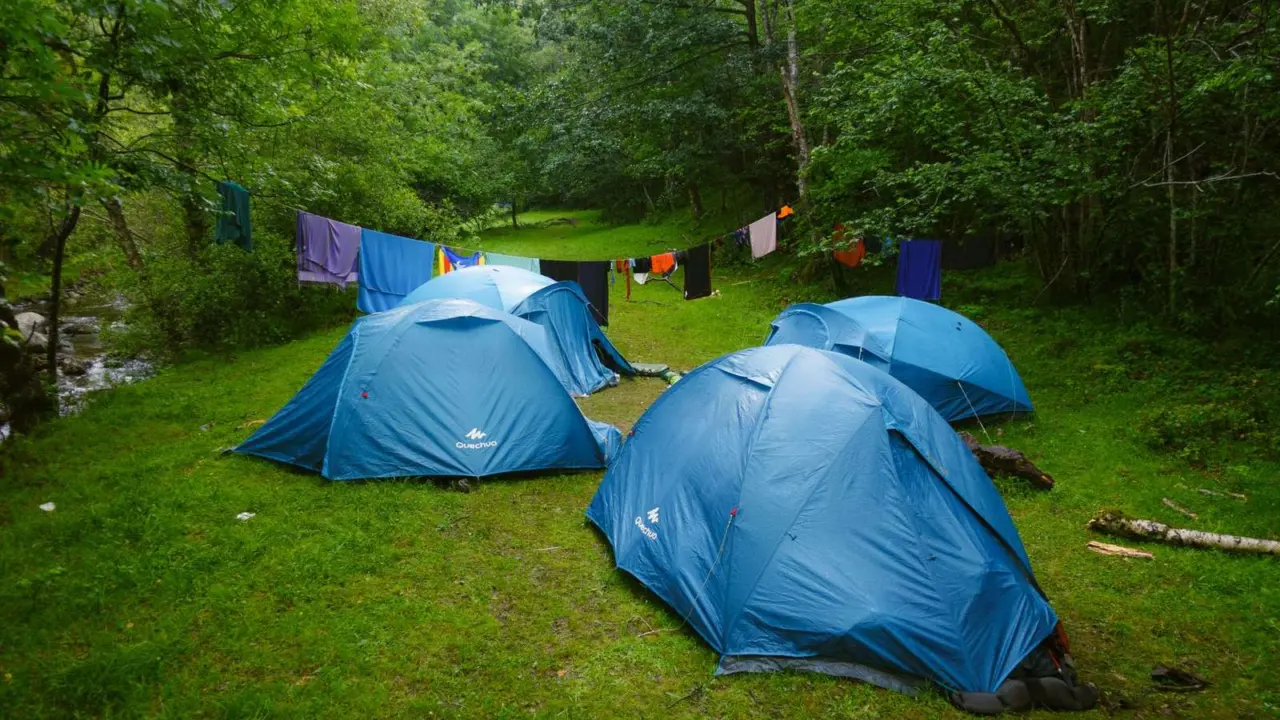
- Think about where you camp. In a wet region such as the Pacific Northwest, a full-coverage fly and a roomy vestibule for wet gear are the sensible picks.
Features worth checking before you buy
Comfort matters most when bad weather keeps you inside. Salewa advises you to sit in the tent before buying and picture different scenarios.
Ask yourself:
- Do you want a vestibule to store gear or to cook under?
- How many pockets are there for small items such as a head torch?
- What about ventilation: a mesh inner tent, or a solid inner with vents you can seal when needed?
- How many doors do you want?
- How many sleeping bags will it really fit?
Build quality also counts. Durability depends on the materials and craftsmanship, which in turn affect weight and price. For backpacking, Salewa suggests high-quality materials in a lightweight package, and a tent built for the worst conditions you expect to meet.
Backpacking tent or car-camping tent?
A backpacking tent is designed to be carried, so it tends to be lighter and smaller than a campsite tent yet able to withstand harsher weather. Car camping, by contrast, places fewer constraints on the weight or bulkiness of your gear, according to Salewa.
Decide which kind of trip you take most, then shortlist two or three tents. Once you have a tent, run through the camping checklist for beginners to make sure the rest of your kit keeps up. When you are ready to pitch it, learn how to pick a campsite that suits the weather you have planned for.
Frequently asked questions
Is a bigger tent always better?
Show answer
No. The larger the tent, the heavier it is, as Salewa points out. Extra room helps when you carry a lot of gear or sit out storms, but it costs weight on your back.
What does hydrostatic head mean?
Show answer
It is a rating of how waterproof the tent fabric is, and a higher figure means more waterproof. Anything above 1,000 mm counts as waterproof by industry standard, according to Salewa, though heavy wind-driven rain may call for more.
Can I use a two-person tent on my own?
Show answer
Yes. Public Lands says a lightweight two-person tent is a versatile option if you only need a solo tent occasionally.
Do I need a winter tent?
Show answer
Only if you are heading into high-altitude terrain or snow camping. For spring-through-fall trips a three-season tent works for most backpackers, and renting is an option for special occasions, per Public Lands.