Packing for your first night outdoors can feel overwhelming. This camping checklist for beginners comes down to five basics: shelter, a warm place to sleep, water, food with a way to cook it, and safety gear.
This checklist is one part of the camping guide, which helps you plan your first trips step by step.
| Item | Value |
|---|---|
| Core checklist categories | Five basics: shelter, sleep, water, food and cooking, safety gear |
| Minimum drinking and sanitation water | At least one gallon per person per day |
| Water planning figure for car camping | About two gallons per person per day |
| Tent size | One or two people larger than your group |
| Safety framework | The Ten Essentials |
| Extra food reserve | A day’s worth of no-cook food |
These figures come from roadsurfer’s beginner checklist, last updated July 20, 2026. Recommended quantities can change, so check the source before you rely on them.
What belongs on a camping checklist?
Roadsurfer’s guide makes a useful point: everything beyond the basics is comfort, not survival. Pack the essentials first, then add extras if you have room in the car.
Here is the same guide’s list, grouped so you can pack by category:
- Shelter and sleep: tent and stakes, sleeping bag, sleeping pad or cot, pillow.
- Water: drinking water or a filter, plus a refillable container.
- Kitchen: camp stove and fuel, cookware, utensils, a cooler, trash bags.
- Clothing: warm layers, rain jacket, sturdy shoes, extra socks.
- Lighting: a headlamp and a backup light, with spare batteries.
- Safety: first-aid kit, lighter or matches, map, sun protection.
- Hygiene: toilet paper, soap, hand sanitizer, a quick-dry towel.
The Caravan and Motorhome Club says its own list is just a starting point and may depend on the campsite you stay on. Check what your campsite provides before you finalise your bags.
Shelter and sleep: keep the cold out
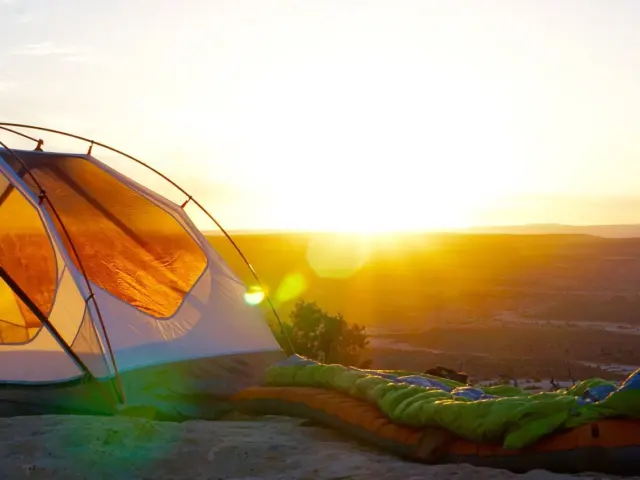
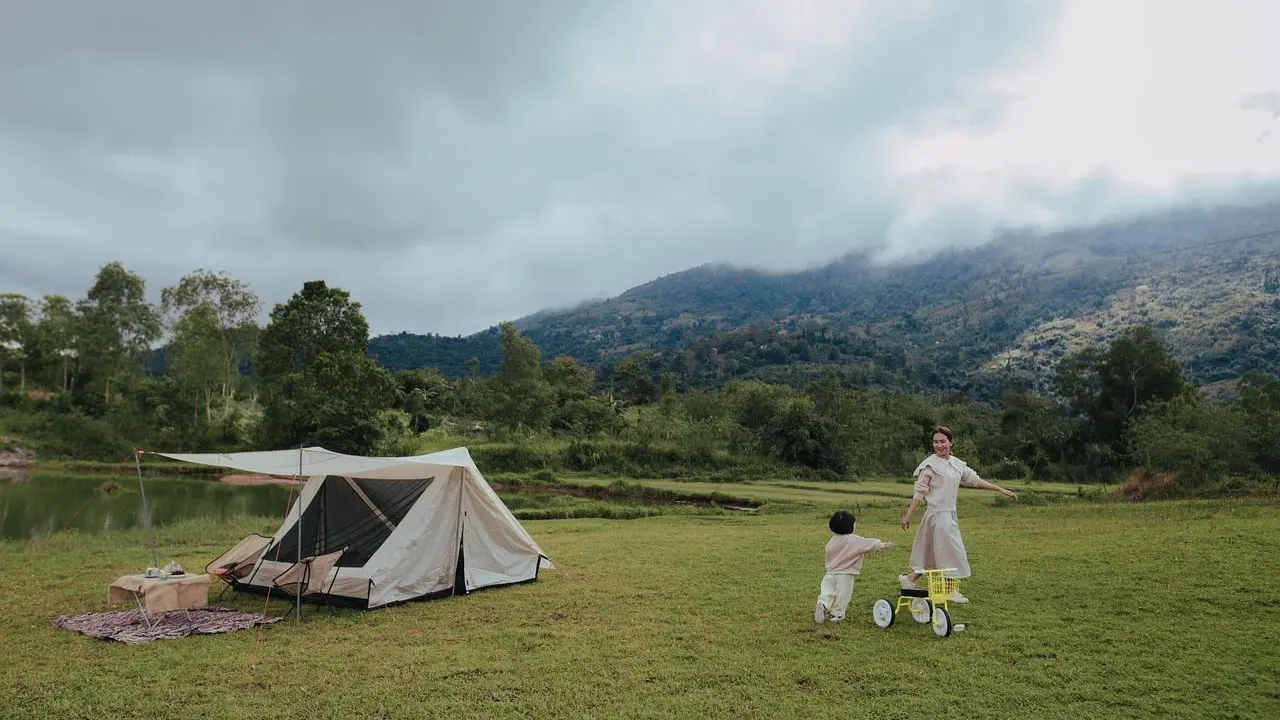
Your tent is your home for the trip, so choose it with care. Roadsurfer suggests you size your tent up by one or two people beyond your group, so gear has a home and nobody sleeps against the wall. If you are still deciding, read the guide on how to choose a tent before you buy or borrow one.
Your sleeping pad matters as much as your sleeping bag. Most of the cold you feel at night comes up from the ground, so a pad or cot puts insulation between you and the earth. Afar makes the same point: a sleeping pad adds comfort and warmth by keeping you off the ground.
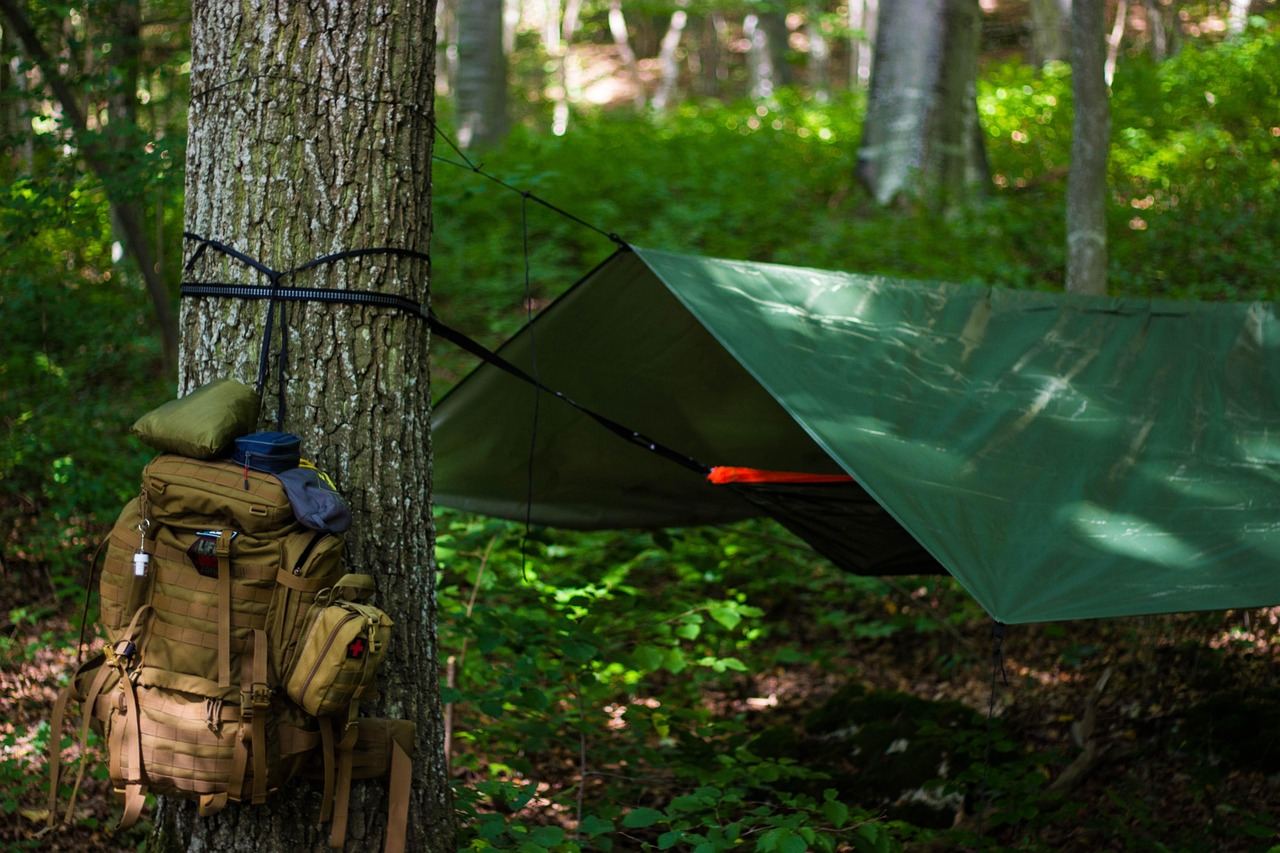
Do not forget the small items that hold a tent together. The Caravan and Motorhome Club’s list names tent pegs, a mallet or hammer, a groundsheet, a windbreak and a tent repair kit alongside the tent itself.
Camp kitchen, water and food storage
A camp stove and fuel give you reliable cooking even where fires are banned, so treat them as the core of your kitchen. Around that, the Caravan and Motorhome Club suggests:
- Gas or charcoal, and matches.
- A coolbox and a thermos flask.
- A washing up bowl, dish soap and a sponge.
- Bin bags, and a tin or bottle opener.
Water is the item beginners underestimate. Ready.gov recommends at least one gallon of water per person per day for drinking and sanitation, and roadsurfer advises about two gallons per person per day for car camping so you can also cook and clean. Hot weather and hard activity push that higher, so round up.
If your site has no tap, carry all your water or bring a filter or treatment tablets. Never plan to drink untreated water from a stream or lake.
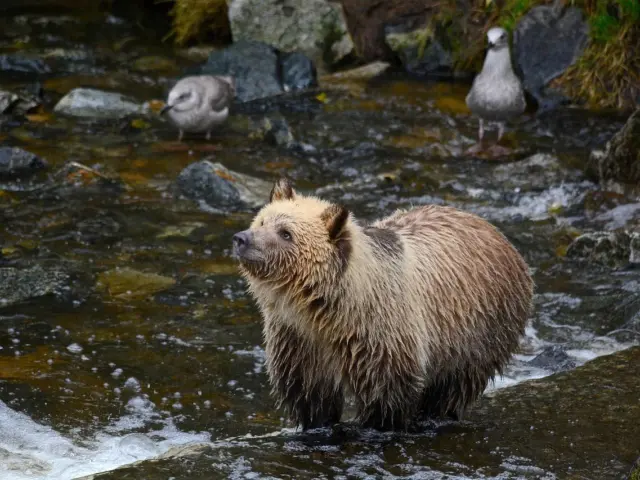
Food safety is the other overlooked part. Keep raw food and drinks in separate coolers, keep them shaded, and store all food securely overnight. As of roadsurfer’s guide, last updated July 20, 2026, storing food in your vehicle is not allowed in campgrounds in Yosemite, Sequoia and Kings Canyon, so it has to go in the locker. The guide on how to store food while camping bears covers the routine in more detail.
Clothing, light and small tools
Layer instead of packing one heavy jacket, and skip cotton. Cotton holds moisture, stays cold once damp, and dries slowly, which is why experienced campers reach for wool or synthetic fabrics instead.
A sensible clothing kit covers most conditions:
- A wicking base layer, wool or synthetic.
- A warm mid layer such as fleece.
- A waterproof outer layer, packed even when the forecast looks clear.
- Sturdy closed-toe shoes and more socks than you think you need.
- A warm hat and gloves, which the Caravan and Motorhome Club also lists.
For light, a headlamp is the most useful choice because it leaves both hands free for cooking or setting up in the dark. Add a backup light, spare batteries and a power bank if you rely on your phone for maps or photos. A knife or multi-tool and a roll of duct tape handle most small repairs, from a torn tent to a broken strap.
Safety gear: the Ten Essentials
Pack your safety items first, because they matter most when a trip goes sideways. Outdoor organizations in the U.S. use a long-standing framework called the Ten Essentials, and roadsurfer notes it works just as well for campers as for hikers. You may not touch half of it on an easy weekend, but it earns its space the one time something goes wrong.
- Navigation: a map and compass, or a downloaded offline map, because cell service is unreliable in many camping spots.
- Sun protection: sunscreen, lip balm, sunglasses and a hat.
- Insulation: an extra layer beyond what the forecast suggests.
- Illumination: a headlamp plus spare batteries.
- First aid: a kit sized for your whole group, including personal medications.
- Fire: a lighter or waterproof matches, and a firestarter.
- Repair kit and tools: a knife or multi-tool and some duct tape.
- Extra food: a day’s worth of no-cook food in case plans change.
- Extra water: more than you think you need, plus a way to treat more.
- Emergency shelter: a space blanket or tarp as a backup.
Check the weather and the campsite before you pack
Afar’s May 13, 2025 guide starts with one rule: check the weather report before you pack. Wind or cold nights call for layers and a warmer sleeping bag, while rain is a reason to bring a tarp and rope.
Next, find out what the campground already provides. Afar says most drive-up campsites supply a picnic table and firepit and sell firewood on site. If you buy wood, get it locally or from within the state, to avoid introducing invasive insects.
If you are unsure you will enjoy camping, rent before you buy. Afar’s May 13, 2025 guide notes that stores such as REI allow customers to rent gear, so you can try it before you invest. Whatever you bring, remember the rule from roadsurfer: you pack out everything you bring in.
Frequently asked questions
What are the most important items for a first camping trip?
Show answer
Roadsurfer’s short answer is shelter, a sleeping bag and sleeping pad, drinking water, food and a stove, warm layers, a headlamp, and a basic first-aid kit. Add sun protection, a lighter and a safe way to store food.
Is it better to rent or buy camping gear?
Show answer
Renting lets you test the experience before spending money. Afar says that if you know you will camp multiple times a year, owning the gear is the cheaper and more convenient option.
Why do campers avoid cotton clothing?
Show answer
Cotton holds moisture and dries slowly, so it stays cold once damp. Wool and synthetic fabrics are the usual alternatives.
Do you need bear spray?
Show answer
The Wilderness Times checklist lists bear spray only if you are in bear country. In bear country, roadsurfer says secure food storage means the metal food locker at your site or a bear canister.