Worried about hauling a whole kitchen? Easy camping meals need just one pot, a heat source and food that skips the fridge. Plan around those basics and you’ll eat well with very little gear.
This page is one part of the camping guide, which covers the rest of your trip planning.
| Item | Value |
|---|---|
| Cold food storage temperature | 40 degrees F or below |
| Hamburger patty internal temperature | 160 degrees F |
| Poultry internal temperature | 165 degrees F |
| Hand washing before food preparation | 20 seconds with soap and water |
| Discard food left out | After two hours (one hour if above 90 degrees) |
These figures come from Alabama Cooperative Extension and NDSU Extension. Guidance can change, so check the source before you rely on the figures.
Why the one-pot rule keeps camp cooking simple
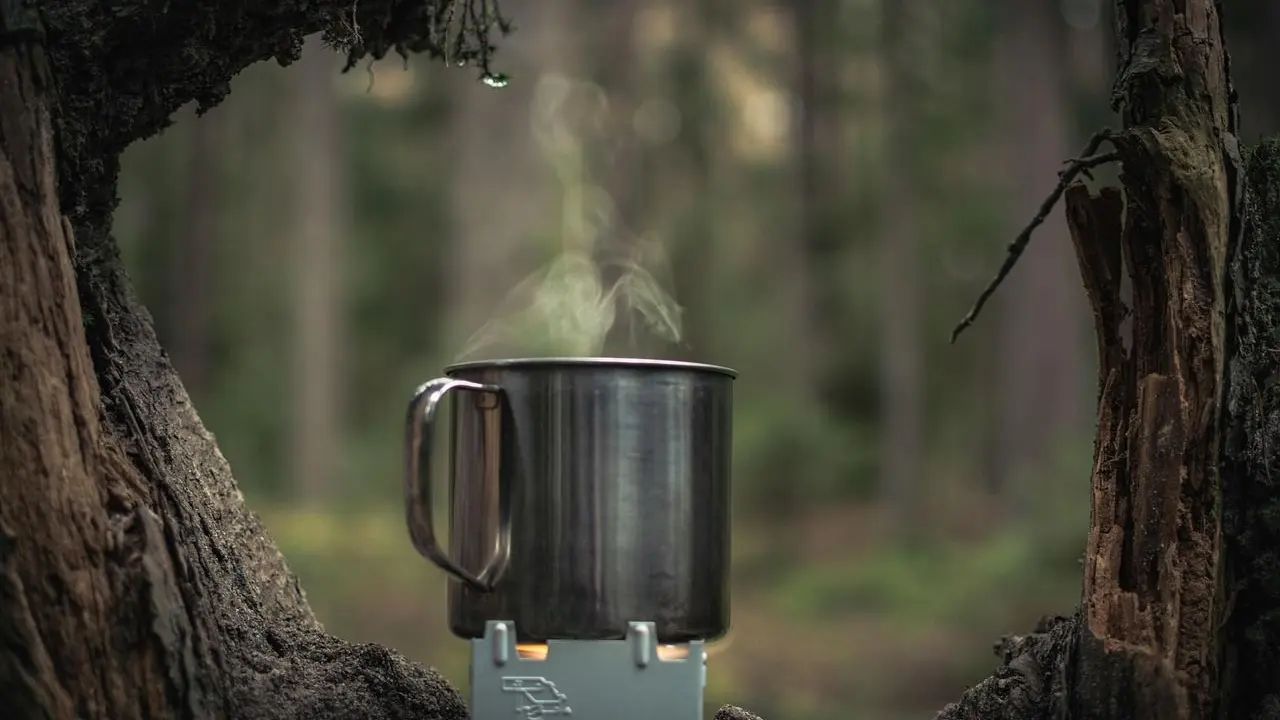
The easiest way to cut gear is to cook everything in one pot. The National Park Service says any meal that can be cooked in one pot instead of two is more efficient, with less to carry and less to clean up, in its Cooking in Camp guidance.
NDSU Extension adds that meals with common ingredients and a single pot shorten your ingredient list and lighten your load, according to its camping food safety sheet. It also suggests planning menus with portion sizes in mind so you avoid leftovers.
A few more planning habits from the National Park Service make the whole trip easier:
- Weight: plan around foods packaged dry, such as drink powders, powdered soup, dry noodles, rice and beans. Water is heavy.
- Bulk: choose packaging you can flatten, such as boxes or plastic wrap, because bottles and cans are bulky before and after use.
- Reuse: large sealable plastic bags can double as waste bags.
- Spoilage: eat meat and cheese first so you don’t need extra ice.
Gear that is actually worth packing
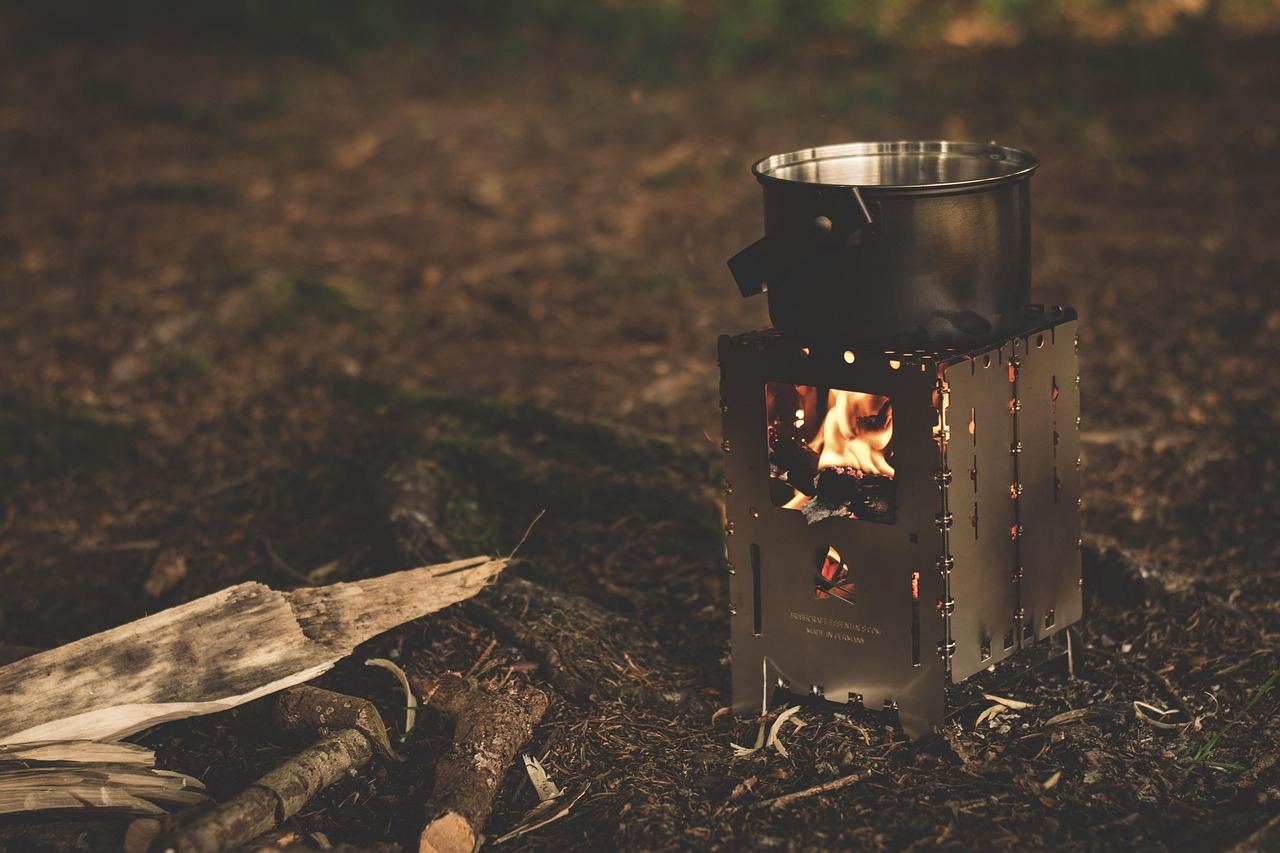
For backpacking, Alabama Cooperative Extension lists the basics as a stove, stove fuel, a pot, eating utensils and a lighter, in its food safety and camping fact sheet. It suggests a titanium or aluminum pot or pan, and notes that a pan can also stand in for a plate.
Ignition is the one place to carry a backup. The same fact sheet suggests a lighter, a small flint and waterproof matches. If you drive to a campsite and weight doesn’t matter, it points to a cast iron Dutch oven for stews, soups and cornbread.
Pack only the tools your menu needs. The University of Maine’s outdoor leadership curriculum makes the point with a simple example: there’s no use bringing a spatula for mac and cheese.
If your stove is new, the National Park Service recommends practicing with it before your trip, in case it is hard to start or has broken parts. Cooking over flames is an option only where fires are allowed, and NDSU Extension advises checking whether you must bring a portable stove or grill. If fires are permitted and you want one, read how to build a campfire safely at how to build a campfire safely first.
Food that needs no cooler
The simplest meals use shelf-stable food, so you can skip the cooler entirely. NDSU Extension names these as excellent choices when refrigeration isn’t available, in its Keep Food Safe When Camping and Hiking sheet:
- Canned meat, poultry and fish
- Peanut butter and jelly
- Beef jerky
- Dried fruits, nuts, noodles and soups
- Breads and crackers
- Powdered milk and fruit drinks
Food Safety News explains the logic: dryness, salt and sugar all make it hard for bacteria to grow. It says dry cheeses like Romano or dry Monterey Jack are safe for several days without refrigeration, and that crackers are a better option than bread, in its recreational food safety article.
The same article calls carrying raw meat, poultry or high-moisture cooked meats like deli meat “a recipe for illness” away from a proper cooler. A University of Maine curriculum page also says the best way to avoid cross contamination in the backcountry is not to bring raw meat, eggs or fish at all.
Simple meal ideas from those basics
None of these needs more than a pot, a stove and a spoon. They are combinations of the foods named above, not fixed recipes, so adjust them to your appetite and your group.
- Noodle soup supper: boil dry noodles with powdered soup in a single pot, and stir in canned chicken or fish if you like.
- Rice and beans: both are dry, light foods the National Park Service lists for planning around weight.
- No-cook lunch: Food Safety News suggests peanut butter and honey, or crackers with dry salami or cheese.
- Trail snacks: dried fruit, nuts and jerky need no preparation at all.
- Hot drinks: powdered milk and drink powders only need hot water.
Water is part of the menu too. The National Park Service says backcountry campers need to filter and purify water used in dehydrated or dry meals. Food Safety News says to make sure any water used for cooking or cleanup has come to a boil, and NDSU Extension advises assuming stream and river water is unsafe to drink.
Keeping food safe without a full kitchen
If you do bring perishables, temperature control matters most. Alabama Cooperative Extension says to keep cold food at 40 degrees F or below and to place frozen gel packs in both the top and bottom of the cooler, per its camping fact sheet.
NDSU Extension adds that a block of ice keeps longer than ice cubes. The Minnesota Department of Health says a full cooler stays cold longer than a partly filled one, in its food safety for the outdoors fact sheet.
Cooking temperatures are the other half. Pack a food thermometer and check these internal temperatures, listed by Alabama Cooperative Extension:
- Hamburger patty: 160 degrees F
- All poultry: 165 degrees F
Wash your hands for 20 seconds with soap and water before you start, and discard food left out for more than two hours, or one hour if it is above 90 degrees, according to NDSU Extension. Food Safety News is blunt about backcountry leftovers: they are not a good idea.
Camp kitchen setup and cleanup after camping meals
Where you cook matters as much as what you cook. If there is no designated food preparation spot in the backcountry, the National Park Service says to find one that is 100 yards away from your tent and 100 yards away from a water source. In bear country it also says to store food 100 yards from your tent.
The University of Maine curriculum gives a tighter range, saying that depending on the time of year a cook site should be anywhere from 20-100 feet from where you sleep. Rules differ by campground and region, so check what your land manager requires.
Stay safe at the stove too. The University of Maine page says you should never have an open flame inside a tent, and that cold hands and tiredness make kitchens accident prone. On a chilly evening, how to stay warm while camping is worth reading before you light the stove.
For cleanup, the National Park Service describes washing, rinsing and sanitizing in three bins at a frontcountry site. The last rinse uses a bleach solution of 2 teaspoons of bleach per 1 gallon of water, and dishes then air dry. In the backcountry it says to use biodegradable soap and rinse thoroughly.
Food Safety News says in its recreational food safety article to dispose of soapy water at least 200 feet from fresh water, because biodegradable soap isn’t instantly so. The University of Maine page says even a dropped grain of rice should be picked up, since scraps attract animals.
Frequently asked questions
What is the easiest meal to make while camping?
Show answer
A one-pot meal built from dry ingredients is hard to beat. The National Park Service lists powdered soup, dry noodles, rice and beans as light foods to plan around, and one pot means less to carry and clean.
Do I need a cooler for easy camping meals?
Show answer
Not if you stick to shelf-stable food such as canned meat, peanut butter, jerky, dried fruit, nuts, crackers and powdered milk, all named by NDSU Extension. You only need a cooler once you add perishables like raw meat.
How far from my tent should I cook?
Show answer
In the backcountry the National Park Service says 100 yards from your tent and from a water source when no spot is designated. The University of Maine curriculum suggests 20-100 feet depending on the season, so follow your campground’s rules.
Can I keep leftovers on a camping trip?
Show answer
Food Safety News says leftovers in the backcountry are not a good idea because they are hard to store at a safe temperature. NDSU Extension advises planning portions so there are none.